

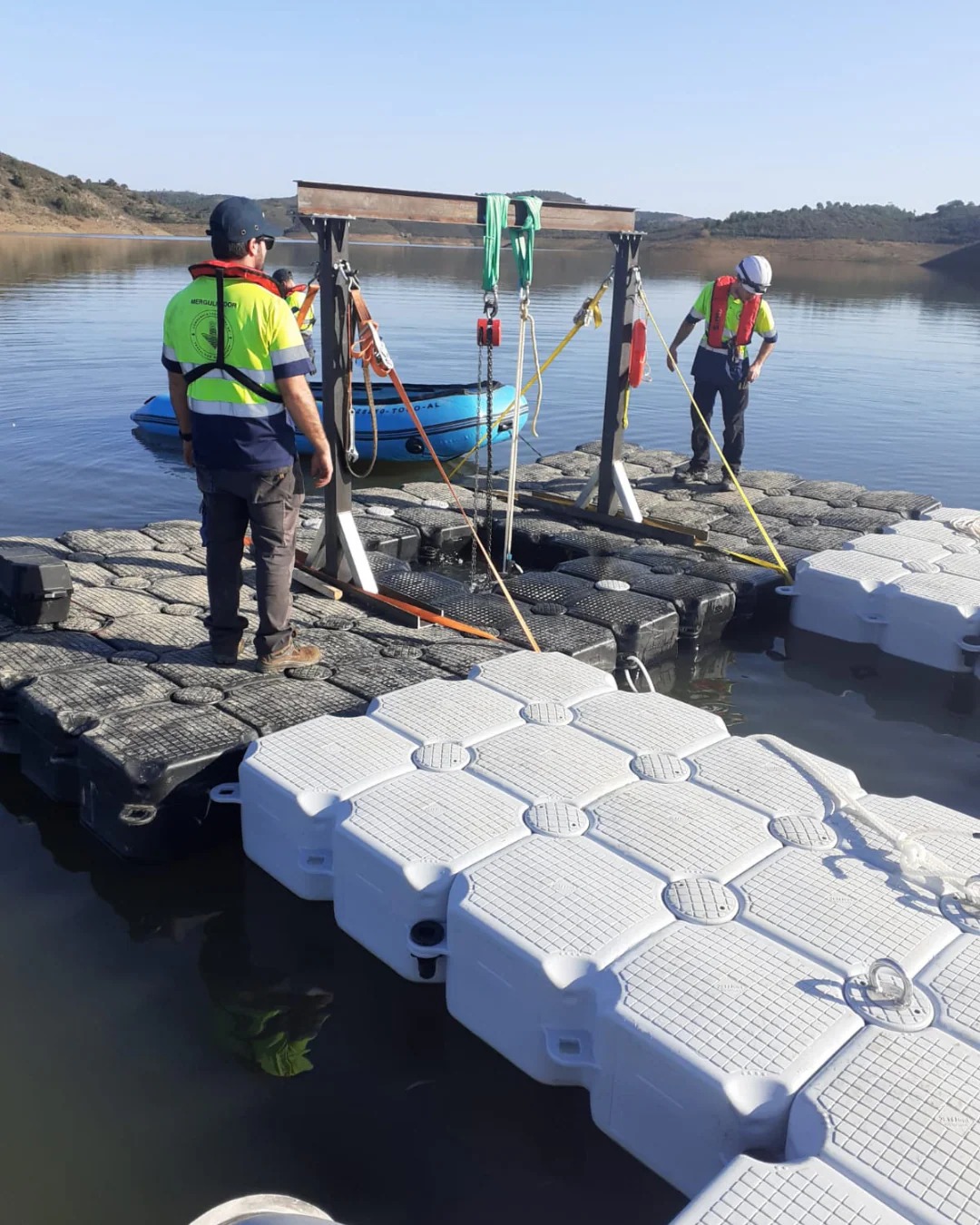
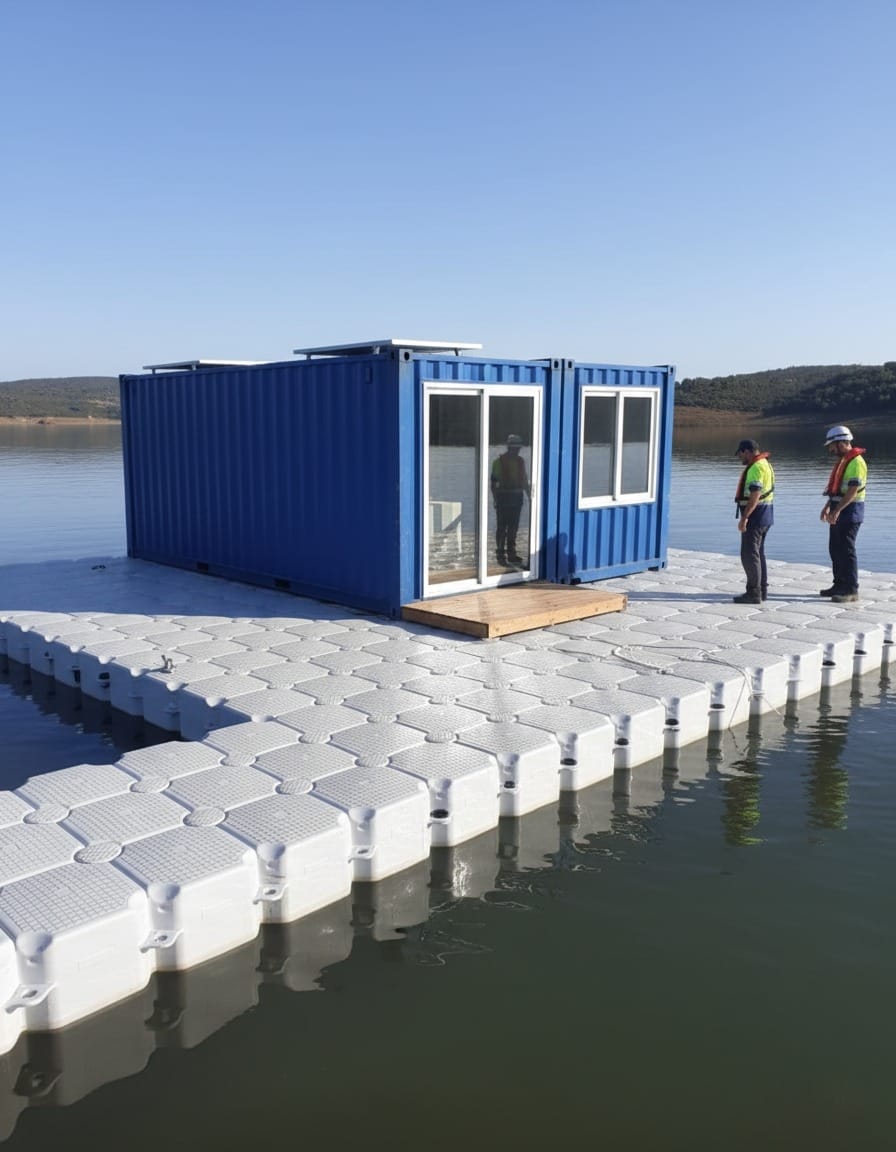
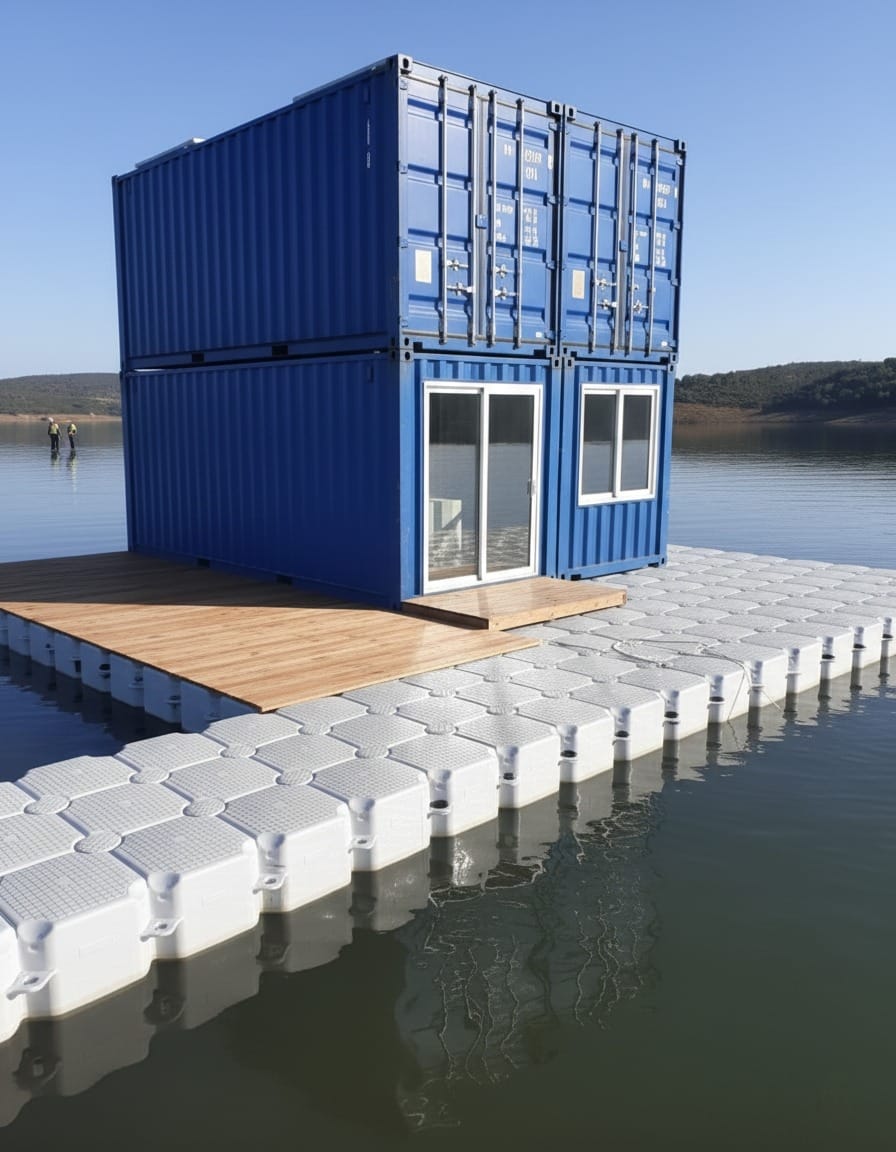
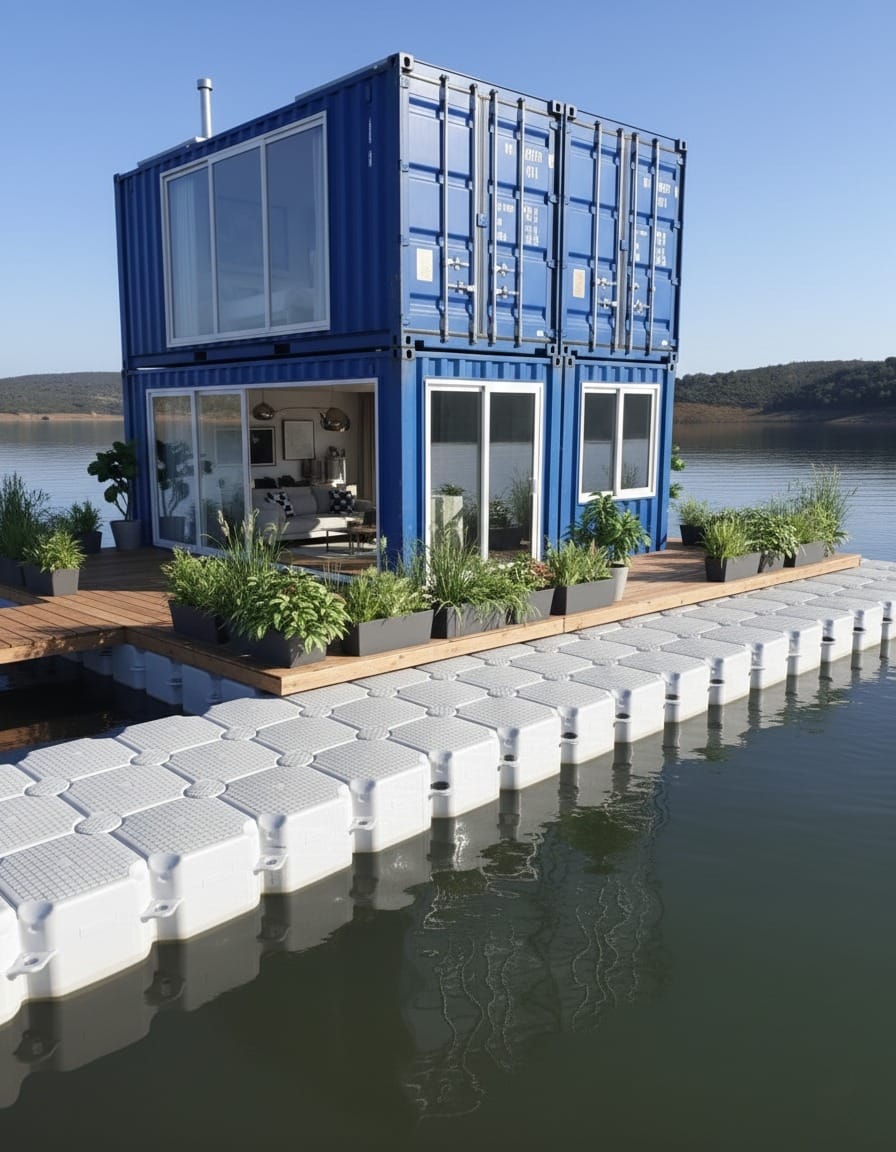
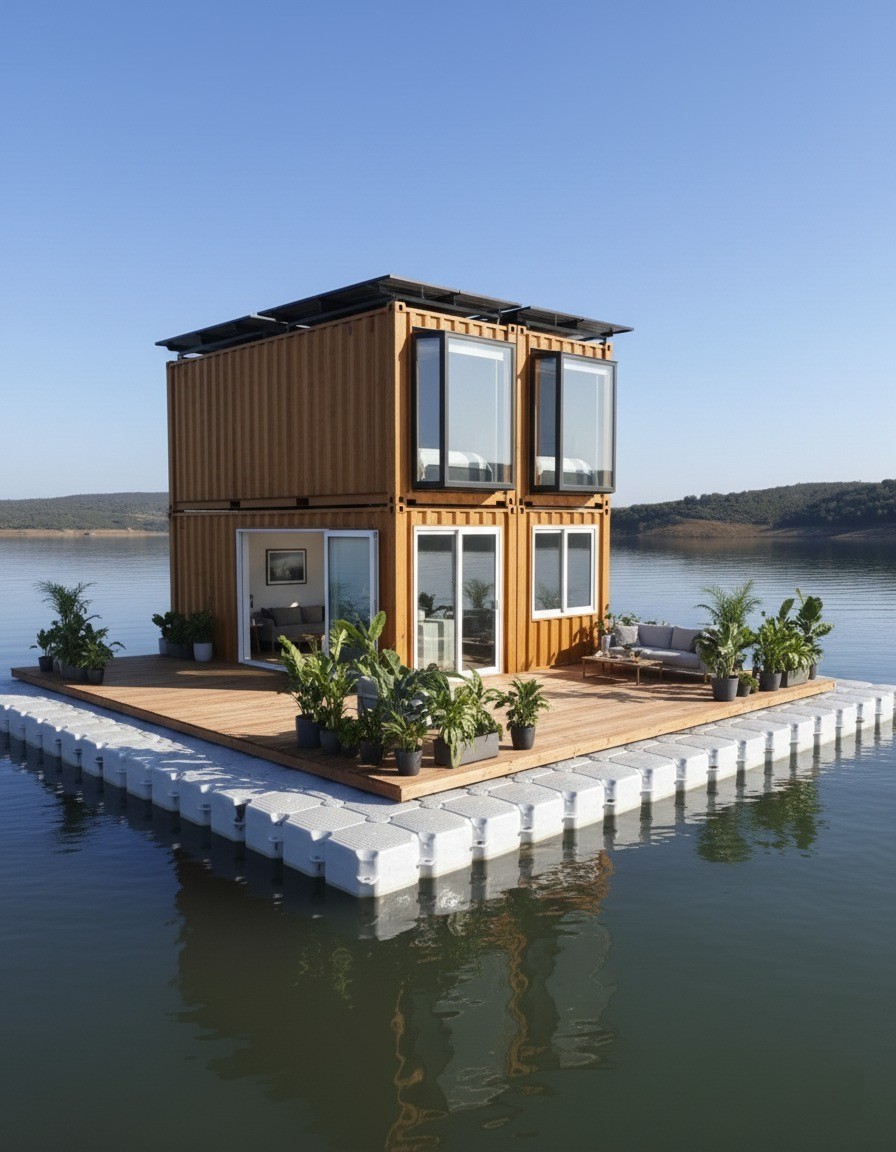
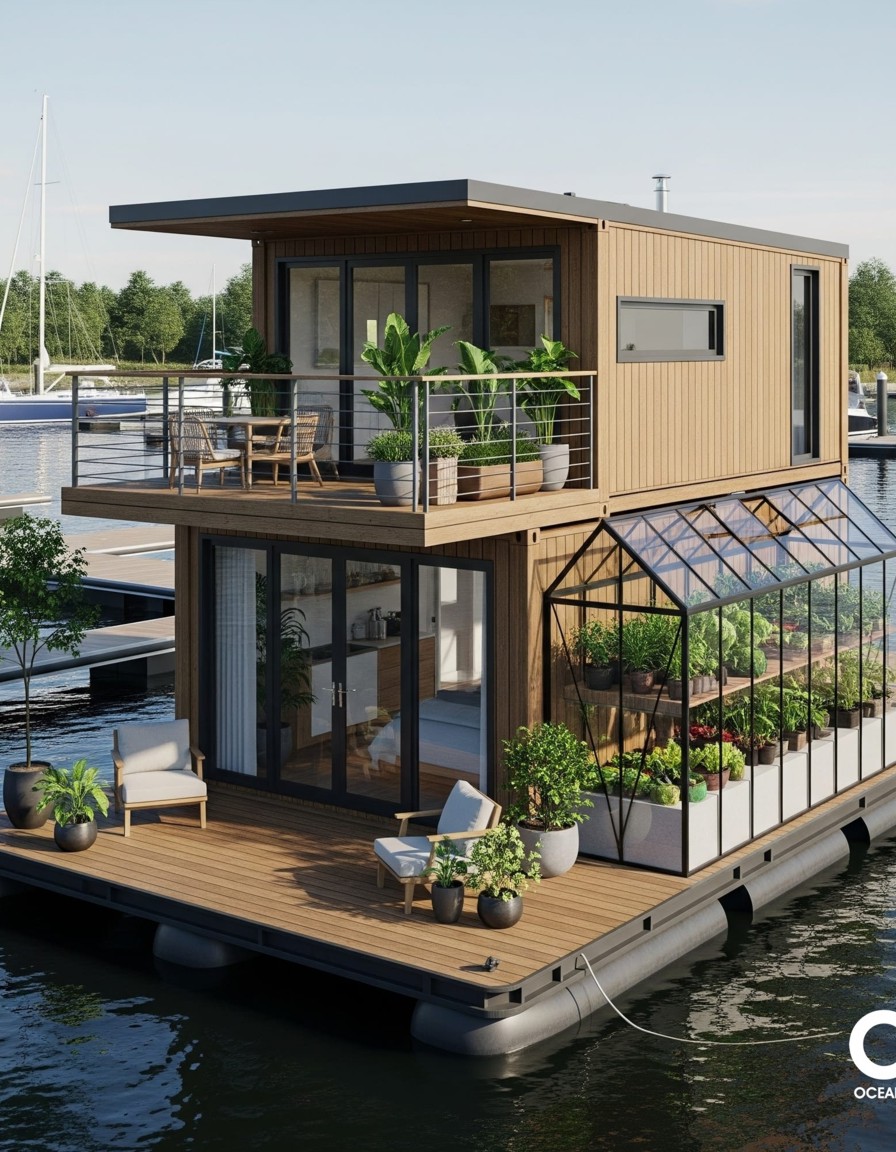
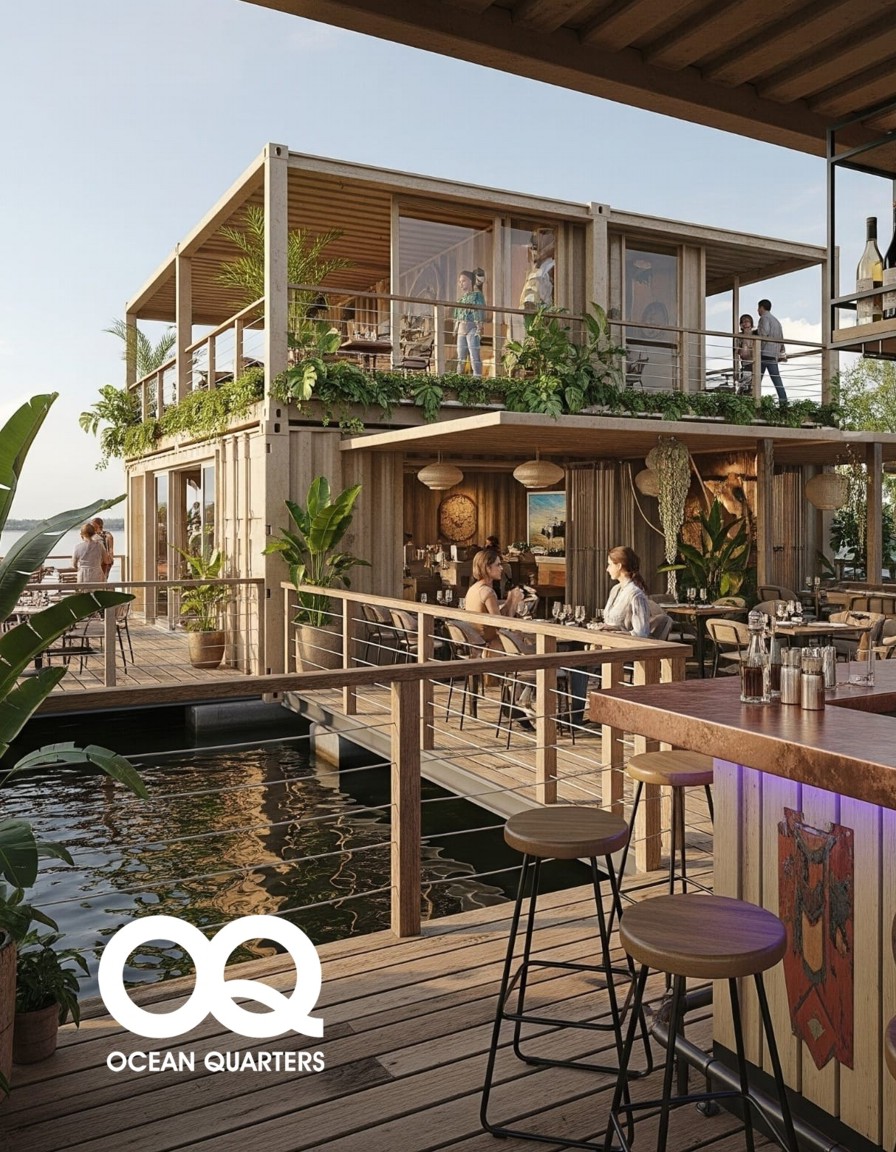
The floating part of all constructions
Building Real Estate for the up-coming changes
Floating Architecture
A Climate-Resilient Future for Real Estate
Building on water is emerging as a critical path forward for the real estate industry, primarily driven by climate change and severe land scarcity in urban coastal areas. With rising sea levels posing an existential threat to low-lying cities and populations, floating architecture, such as amphibious and permanently buoyant structures, offers an inherently climate-resilient solution. These structures can adapt to fluctuating water levels, offering protection from floods and storm surges that cripple conventional land-based real estate. Furthermore, in densely populated coastal cities where developable land is prohibitively expensive or nonexistent, building on water unlocks vast new potential real estate without encroaching on protected land or disrupting existing urban infrastructure.
Beyond necessity, aquatic real estate offers compelling economic and lifestyle advantages that position it as the future. Floating communities leverage modular and often prefabricated construction methods, which can significantly reduce construction timelines and costs associated with expensive land acquisition, complex soil engineering, and extensive foundation work. For residents, this innovation provides a unique, tranquil living experience with a direct connection to nature, which commands a premium market value. As technology advances—improving stability, utility connections, and overall structural durability—floating architecture is moving from a niche novelty to a scalable, sustainable model capable of delivering everything from luxury homes to self-sufficient, floating urban communities.

HOUSES ON WATER